Сотрудники института приняли участие в экстерриториальном мониторинге инфекционных угроз в Республике Бурунди
 |
16 10.2026
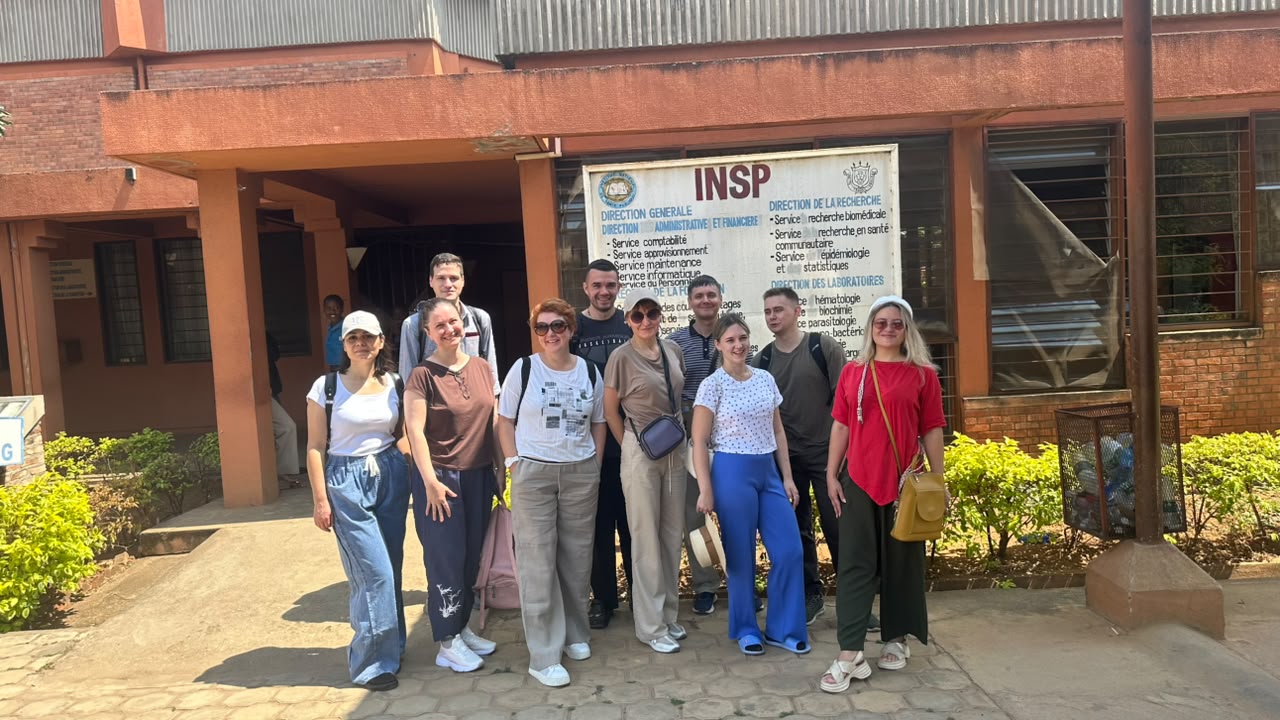
The objective of the second working visit in 2026 was to conduct research on the prevalence and molecular-genetic monitoring of viral pathogens (specifically enteric viruses) within the territory of the Republic.
|
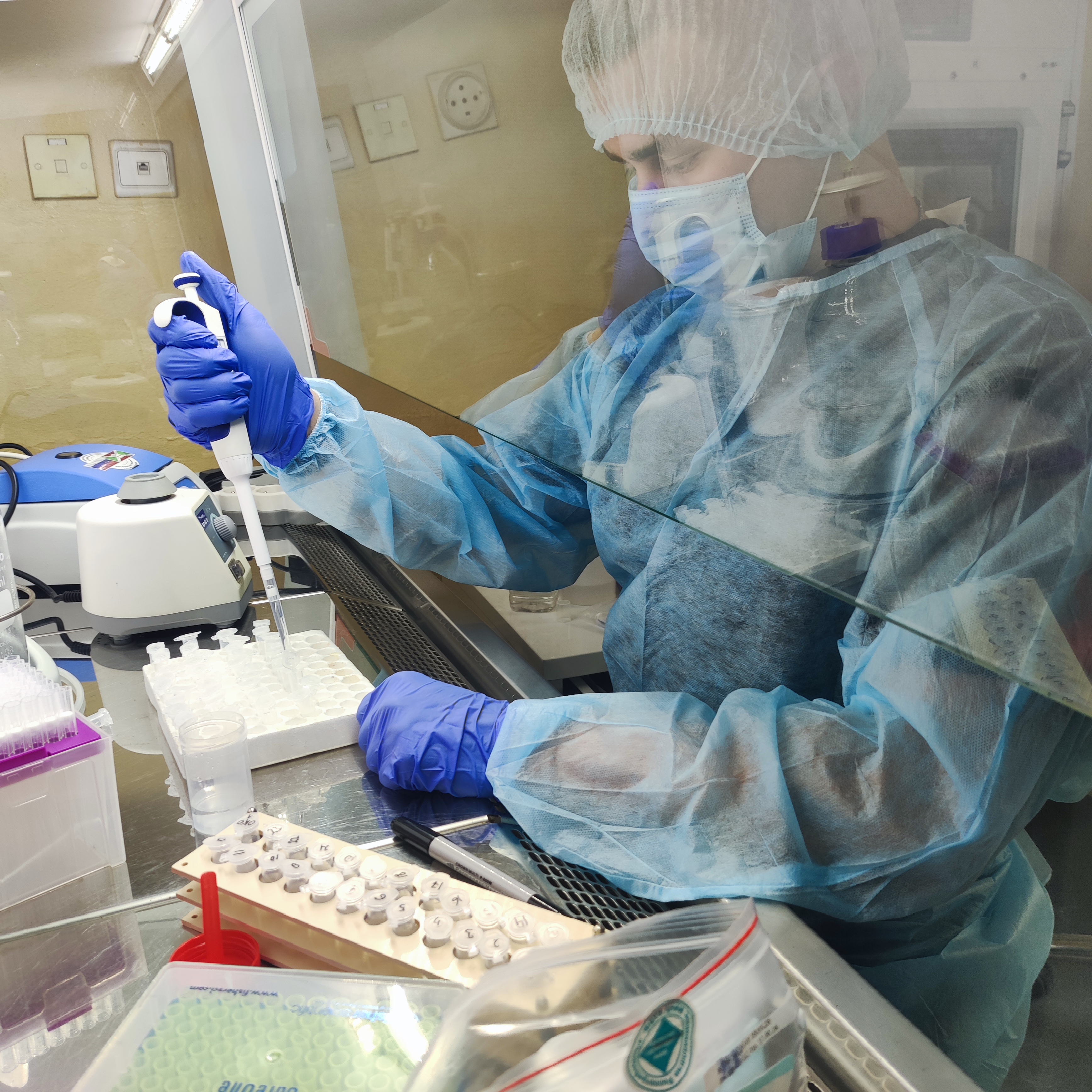
The objective of the mission was to conduct molecular-genetic studies as part of surveillance for the circulation of enteric viral pathogens among the population and in environmental samples. The work involved analyzing epidemiological data and collecting samples from environmental sources as well as clinical specimens from patients with acute diarrhea syndrome who had sought medical care at healthcare facilities across various provinces of Burundi.
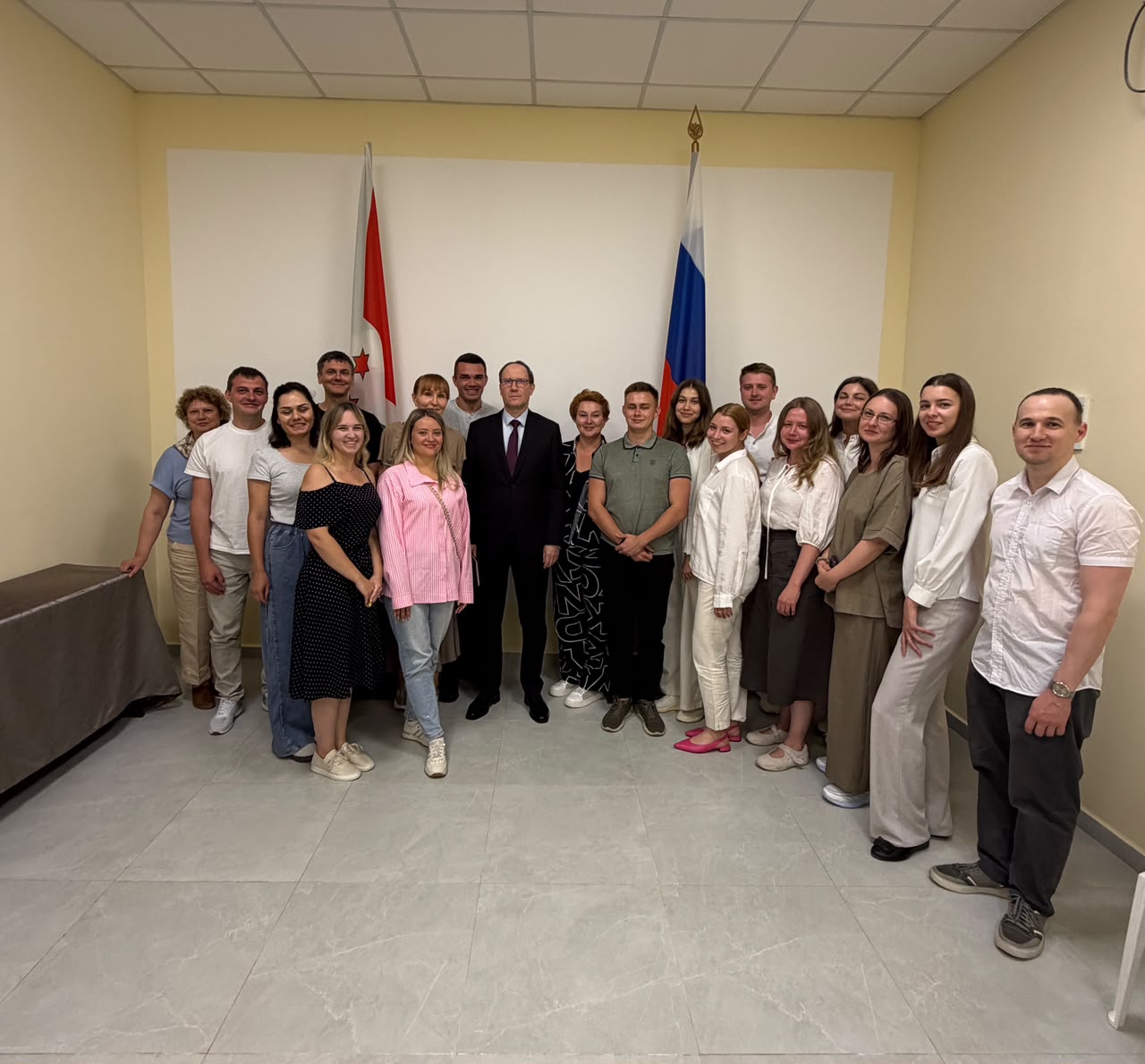
A plan for future research was discussed during the collaboration. The parties highlighted the relevance and potential of Russian-Burundian scientific cooperation regarding molecular-epidemiological monitoring of enteric viral infections and other infectious diseases of epidemiological significance to the East African region. The significance of issues related to the circulation and prevalence of waterborne and foodborne viral pathogens—as well as their detection in environmental elements that can serve as transmission vectors for enteric infections—was highlighted within the Republic of Burundi.
Continued collaborative research into the pathogens responsible for relevant infectious diseases will make it possible to assess the prevalence of these agents, characterize the epidemiological and molecular-genetic profiles of the variants circulating in the Republic of Burundi, and improve the accuracy of epidemiological forecasting. The data obtained will help assess the risk of these infectious agents being introduced into the Russian Federation and can be used to develop preventive and anti-epidemic measures, as well as to inform management decisions aimed at ensuring the sanitary and epidemiological well-being of the population.
 |
 |
The research was conducted as part of the federal project "The Country’s Sanitary Shield — Health Security (Prevention, Detection, and Response)."