
First-year Master's students attended a lecture course on molecular immunology.
 |
18 12.2025
The course of lectures and seminars was given by the head of the institute’s immunochemistry laboratory.
|
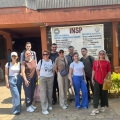
In November-December 2025, a course of lectures and seminars on molecular immunology was delivered to first-year master's students in the Department of Molecular Biology and Immunology at the Institute of Biology and Biomedicine at N.I. Lobachevsky State University of Nizhny Novgorod by Viktor Vladimirovich Novikov, Honored Scientist of the Russian Federation and Head of the Immunochemistry Laboratory at the Nizhny Novgorod Research Institute of Epidemiology and Microbiology.
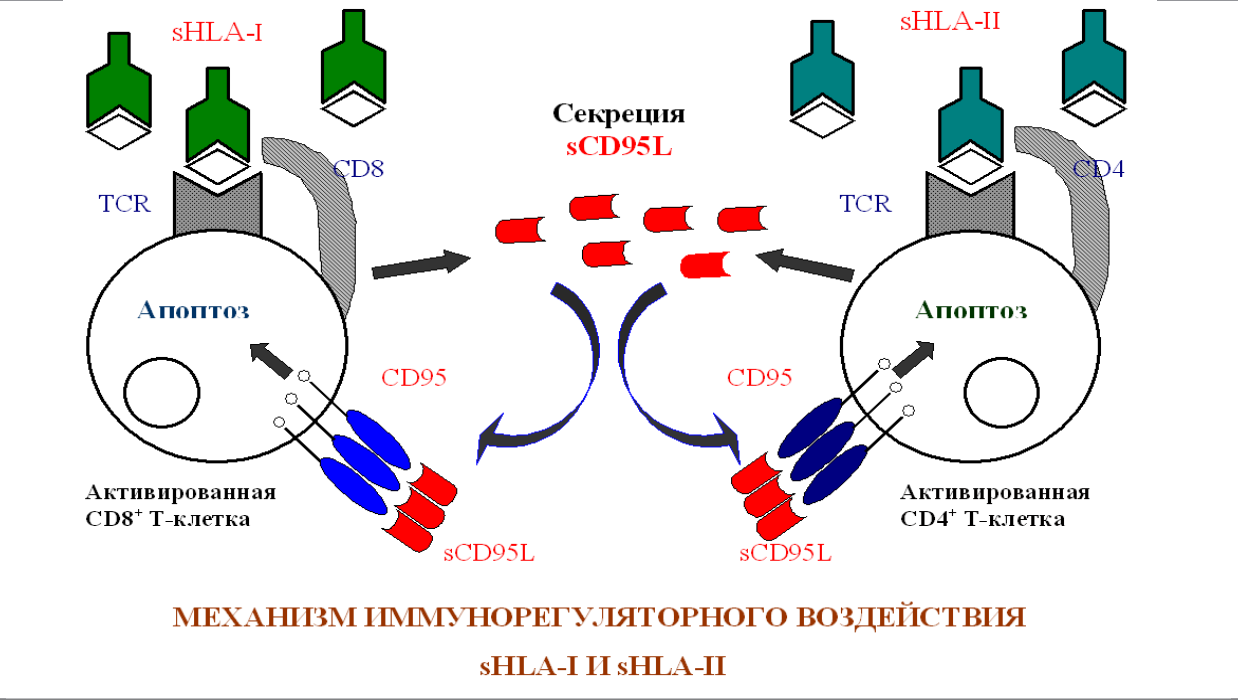
The participants discussed issues related to the fundamental molecular mechanisms of the immune response, such as current understanding of the diversity and interrelationship of membrane and cytoplasmic receptors, the regulatory action of cytokines, the role of matrix metalloproteinases in the development of immune responses, recently characterized immune cell populations, and new data on the activation and effector action of lymphocytes in the adaptive immune response. The topics of programmed cell death and the role of panoptosis in the complex network of immune response events were examined.
Along with fundamental issues of immunology, the molecular mechanisms of human defense against pathogens of current bacterial and viral infections were discussed. For example, the molecular events of immune defense against staphylococcal infection, hepatitis C virus, and pathogenic fungi were examined. The immune response to helminths was discussed in detail.
Overall, the course participants gained extensive knowledge of the modern understanding of the human immune system.